New energy cable A certain amount of heat will be generated during use, mainly from the resistance of the cable itself, the incomplete conductivity of conductive materials, and the impact of ambient temperature. These heat have a certain impact on the normal operation and safety of the cable, so corresponding measures need to be taken to deal with it.
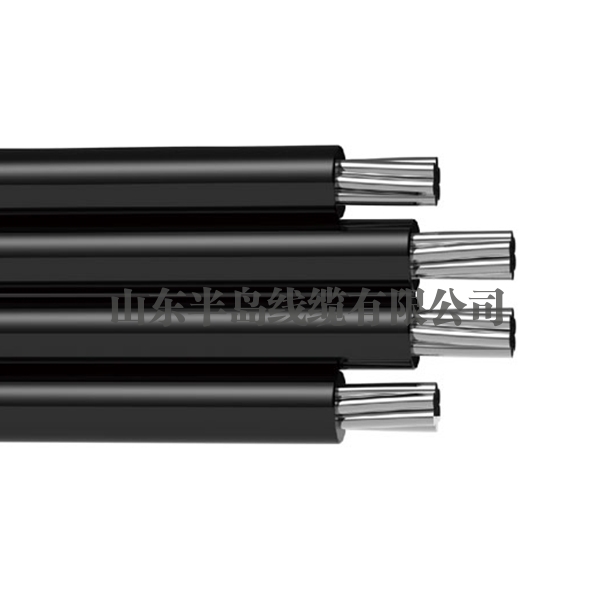
First, the heat problem of new energy cables can be solved from the design and manufacture of cables. By selecting the optimal ratio of conductive materials, the resistance and conductivity of the cable can be reduced, and the heat generated during current transmission can be reduced. At the same time, efficient heat dissipation materials can be used to improve the heat dissipation effect of cables and reduce the possibility of heat accumulation.
Secondly, in the process of cable laying and installation, the generation and accumulation of heat can be reduced by technical means. For example, in the process of laying high-power cables, sectionalized laying and dense laying can be used to reduce current density and reduce heat accumulation. At the same time, thermal insulation and heat dissipation measures can also be taken, such as using heat sink, heat sink and other materials to improve the heat dissipation capacity of the cable and reduce heat accumulation.
In addition, the generation and accumulation of heat can be reduced by controlling the service conditions of the cable. For example, the current carrying capacity and working time of the cable can be controlled to avoid overload and long-term high load operation, so as to reduce the generation of heat. At the same time, measures can also be taken to reduce the ambient temperature, such as increasing ventilation and reducing indoor temperature, to improve the heat dissipation effect of the cable and reduce the accumulation of heat.
In addition, some traditional heat dissipation methods can also be used to deal with the heat generated during the use of new energy cables. For example, the heat on the cable surface can be transferred to the air through natural convection and forced air cooling to reduce the temperature of the cable. At the same time, cooling fans, cooling towers and other equipment can also be used for forced heat dissipation to improve the heat dissipation effect.
In addition, the environment around the cable can also be used to deal with the heat generated by the new energy cable. For example, the cable can be laid in water to reduce the temperature of the cable by using the heat absorption characteristics of the water. At the same time, the cable can also be cooled by using the low-temperature gas or liquid in the surrounding environment to reduce the temperature of the cable.
To sum up, the heat generated during the use of new energy cables can be treated through cable design and manufacturing, laying and installation, control of service conditions, and traditional heat dissipation methods. Through the comprehensive application of the above measures, the temperature of the cable can be effectively reduced, and its normal operation and safety can be improved.