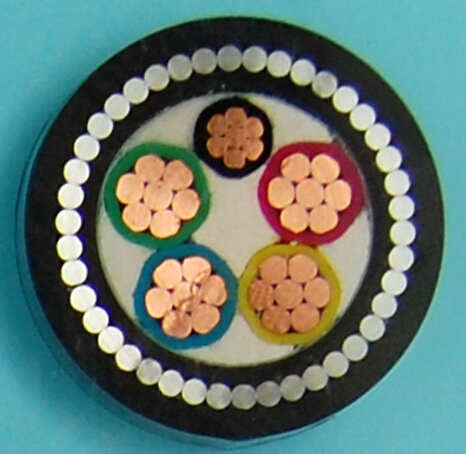
Compared with traditional industrial cables (such as PVC insulated cables and ordinary cross-linked cables), New energy cable Its advantages can be summarized as "four high and two low", namely:
The new energy cable is a "customized" special cable for the new energy industry, and its design core is to "adapt to the extreme conditions and safety requirements of the new energy system". From the outdoor weather resistance of photovoltaic power station, to the torsional low temperature resistance of wind power, to the high voltage vibration resistance of new energy vehicles, new energy cables have passed the material innovation (such as XLPE, LSZH Elastomer), structural optimization (such as multi strand conductor and shielding layer), and performance upgrading (such as flame retardancy and anti-interference) have solved the pain points of traditional cables in the new energy scenario, such as "short life, easy failure and insecurity". With the rapid development of photovoltaic, wind power, new energy vehicles and energy storage industries, new energy cables will be upgraded to the direction of "higher voltage (such as above 50kV), lighter weight (such as carbon fiber conductors), and more intelligent (such as smart cables with temperature sensors)", further supporting the large-scale development of the new energy industry.